



Cardiovascular Disease
-
Cardiovascular Disease Related Products (8678)
Related Products (8678)

-
Antibodies (4)
-
Related Compound Screening Libraries (2)
-
Dimethyl 2-oxoglutarate
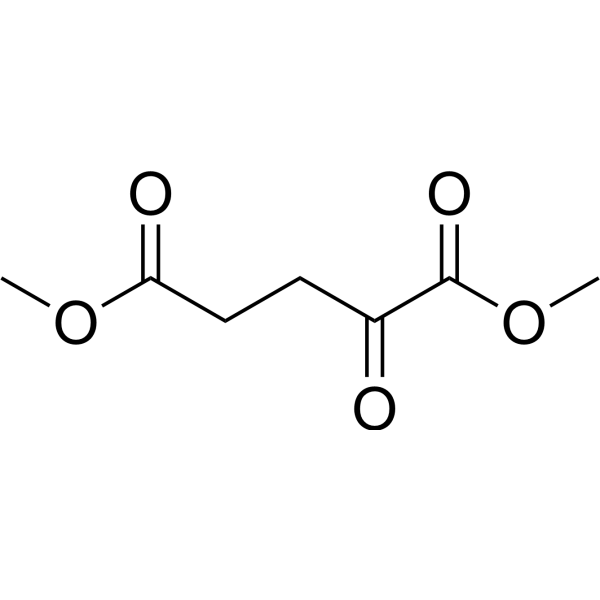 0 ImagesCat. No.: HY-44134CAS No.: 13192-04-6Synonyms: Dimethyl α-ketoglutarate
Dimethyl 2-oxoglutarate (Dimethyl α-ketoglutarate) is a cell-permeable derivative of 2-oxoglutarate and tricarboxylic acid cycle metabolite with antioxidant properties. Dimethyl 2-oxoglutarate inhibits Autophagy. Dimethyl 2-oxoglutarate prevents mitochondrial damage and reduces ROS production. Dimethyl 2-oxoglutarate alleviates Carbon tetrachloride (HY-Y0298)-induced liver fibrosis. Dimethyl-2-oxoglutaric acid can be used in the research of diseases such as Alzheimer's disease, diabetes, and cardiomyopathy.
-
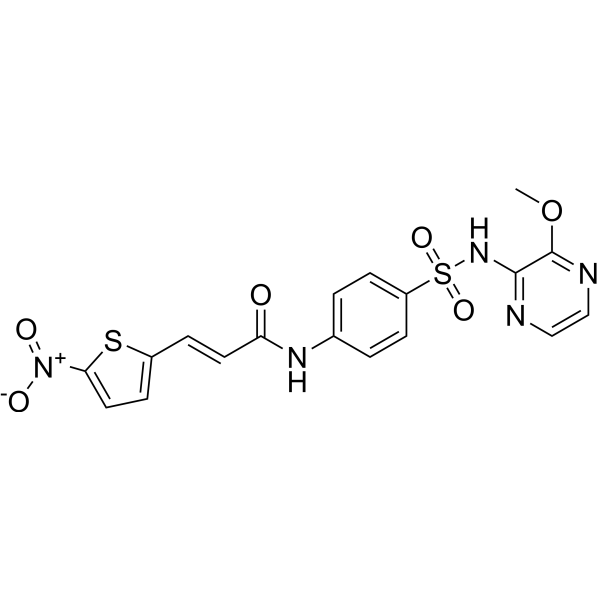
Necrosulfonamide
 0 Images
Necrosulfonamide is a MLKL and Gasdermin D (GSDMD) inhibitor, capable of separately inhibiting necroptosis and pyroptosis of cells. Necrosulfonamide does not affect the activation of upstream signals, but specifically inhibits the downstream executor oligomerization step. Necrosulfonamide reduces the expression of the key kinases NLRP3 and caspase-1 involved in necroptosis and pyroptosis, activate the Nrf2 pathway and the downstream antioxidant enzymes, and also downregulates a variety of inflammatory factors. Necrosulfonamide plays significant roles in various diseases such as neurodegenerative diseases (such as Parkinson’s disease), tissue damage and ischemia-reperfusion injury, inflammatory bowel disease, osteoarthritis and fracture repair, and hair loss by regulating two important programmed necrosis pathways.
-
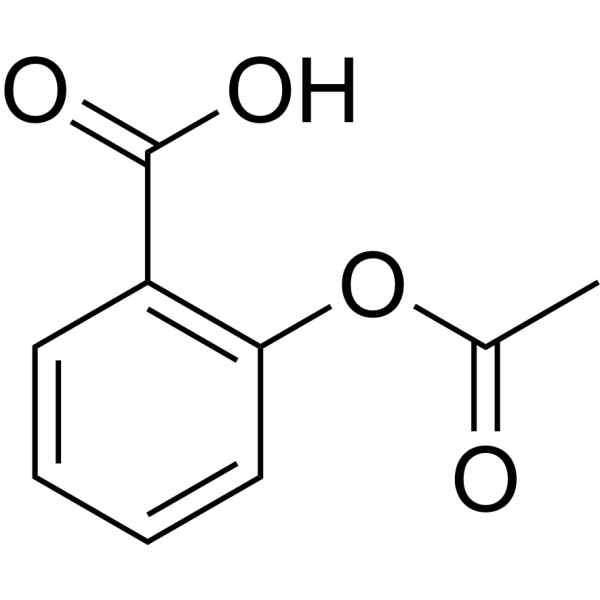
Aspirin
 0 Images
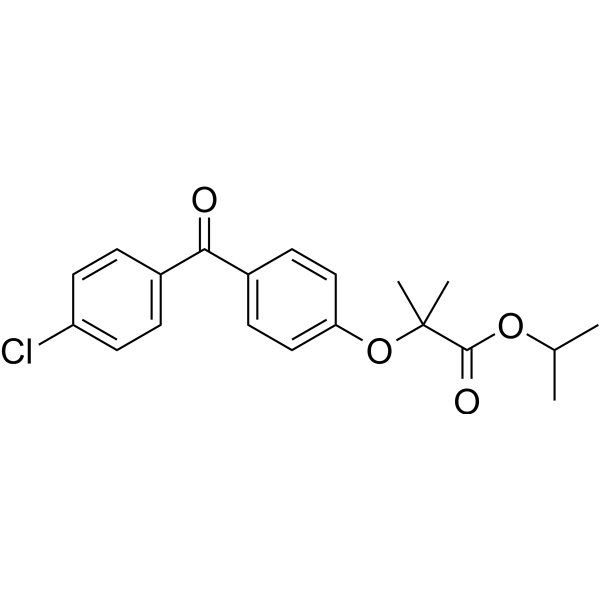
Aspirin (Acetylsalicylic acid) is an orally active, potent and irreversible inhibitor of cyclooxygenase COX-1 and COX-2, with IC50 values of 5 and 210 μg/mL, respectively. Aspirin induces apoptosis. Aspirin inhibits the activation of NF-κB. Aspirin also inhibits platelet prostaglandin synthetase, and can prevent coronary artery and cerebrovascular thrombosis.
-
Amiloride
 0 Images
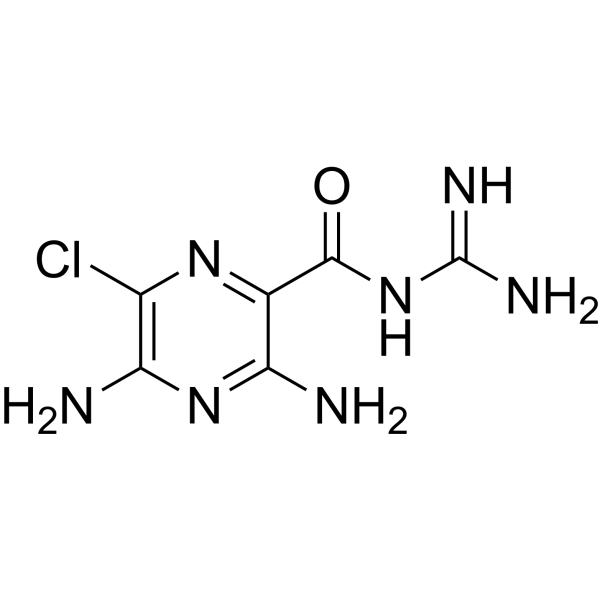
Amiloride (MK-870) is an inhibitor of both epithelial sodium channel (ENaC) and urokinase-type plasminogen activator receptor (uTPA). Amiloride is a blocker of polycystin-2 (PC2; TRPP2) channel.
-
Papain
 0 Images
Papain is a cysteine protease of the peptidase C1 family. Papain enhances red cell agglutination by anti-D and anti-A, and increases red cell sensitivity to K cell-mediated lysis in ADCC assays. Papain can induce pulmonary emphysema. Papain can be used for the researches of Rh haemolytic disease of the newborn and pulmonary emphysema.
-
GSK484 hydrochloride
 0 Images
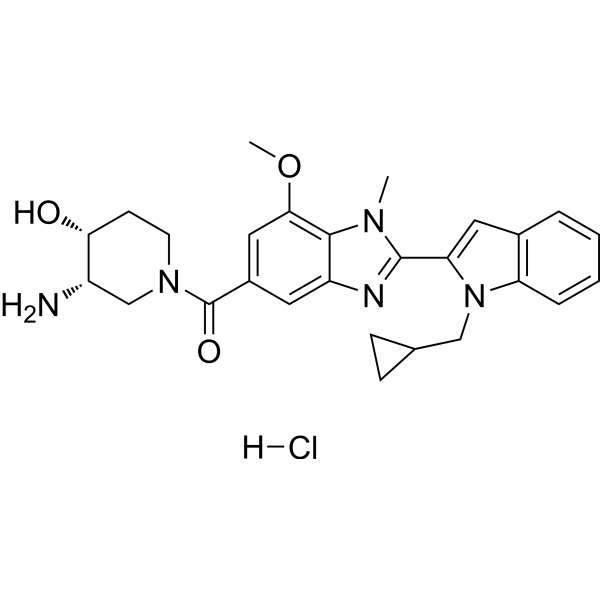
GSK484 hydrochloride is a selective and reversible peptidylarginine deiminase 4 (PAD4) inhibitor. GSK484 hydrochloride demonstrates high affinity binding to PAD4 with IC50s of 50 nM in the absence of Calcium. In the presence of 2 mM Calcium, notably lower potency (250 nM) is observed.
-
Lovastatin
 0 ImagesSynonyms: Mevinolin
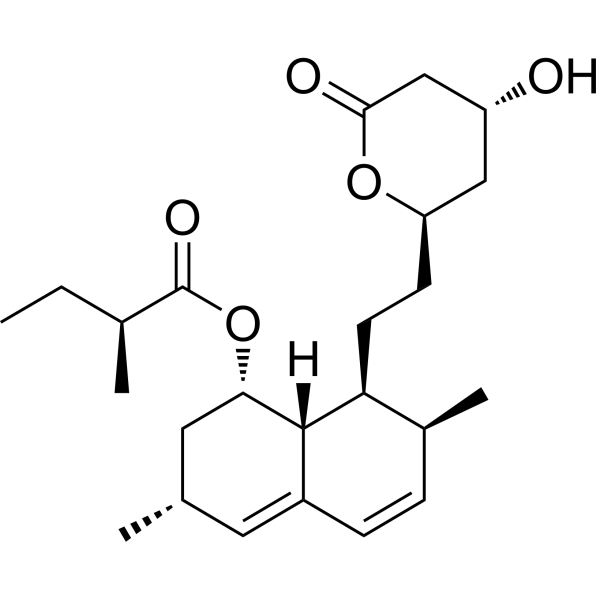
Lovastatin (Mevinolin) is a cell-permeable HMG-CoA reductase inhibitor used to lower cholesterol.
-
Pilocarpine Hydrochloride
 0 Images
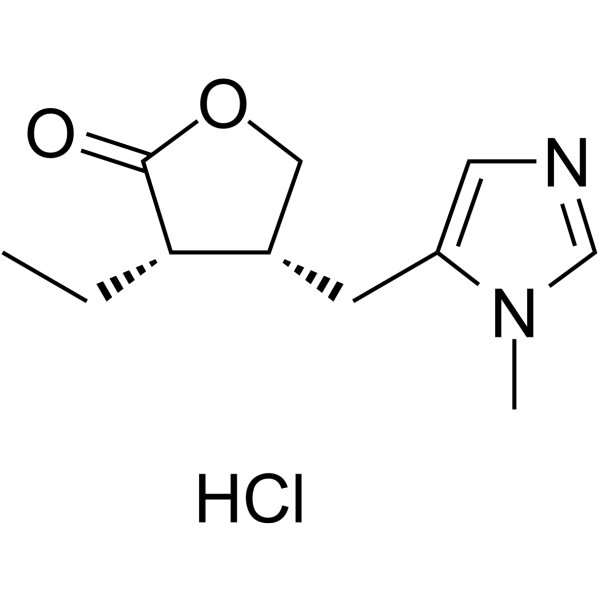
Pilocarpine Hydrochloride is an orally active, selective M3 muscarinic acetylcholine receptor agonist. Pilocarpine Hydrochloride can induce seizures and is used in research on conditions such as epilepsy, dry mouth (xerostomia), and elevated intraocular pressure.
-
Propranolol hydrochloride
 0 Images
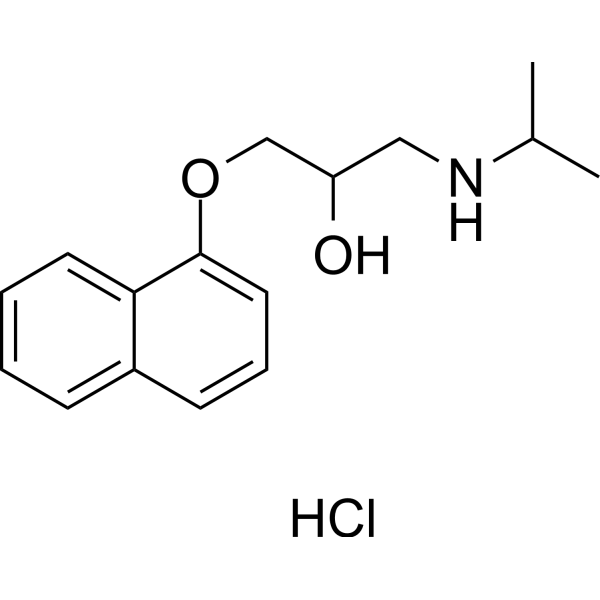
Propranolol hydrochloride is a nonselective and BBB-permeableβ-adrenergic receptor (βAR) antagonist, has high affinity for the β1AR and β2AR with Ki values of 1.8 nM and 0.8 nM, respectively. Propranolol hydrochloride inhibits [3H]-DHA binding to rat brain membrane preparation with an IC50 of 12 nM. Propranolol hydrochloride is used for study of hypertension, pheochromocytoma, myocardial infarction, cardiac arrhythmias, angina pectoris, and hypertrophic cardiomyopathy.
-
Propranolol
 0 Images
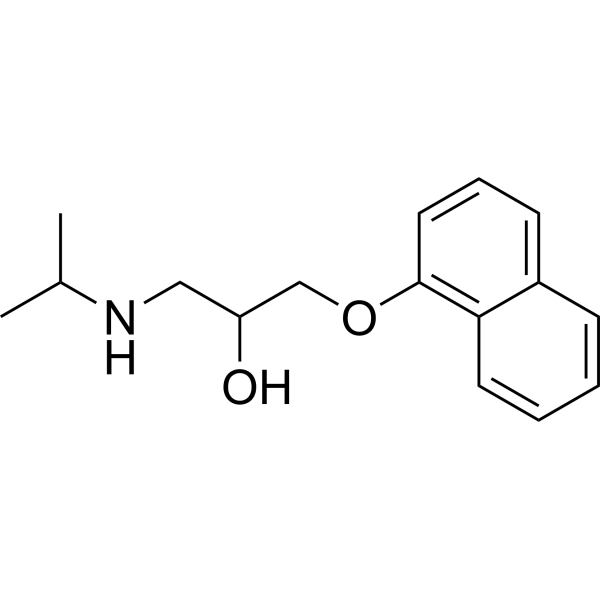
Propranolol is a nonselective and BBB-permeable β-adrenergic receptor (βAR) antagonist, has high affinity for the β1AR and β2AR with Ki values of 1.8 nM and 0.8 nM, respectively. Propranolol inhibits [3H]-DHA binding to rat brain membrane preparation with an IC50 of 12 nM. Propranolol is used for the study of hypertension, pheochromocytoma, myocardial infarction, cardiac arrhythmias, angina pectoris, and hypertrophic cardiomyopathy.
-
DMH-1
 0 Images
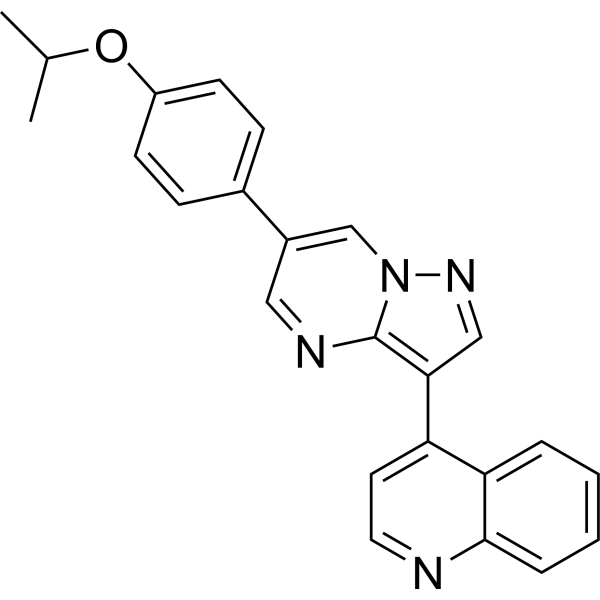
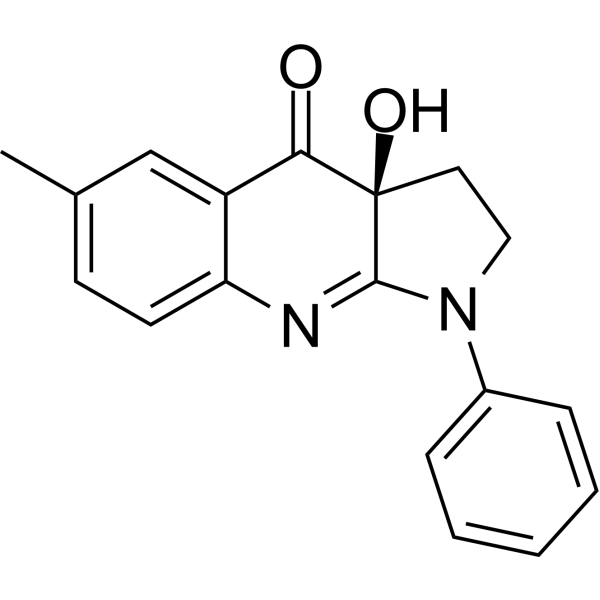
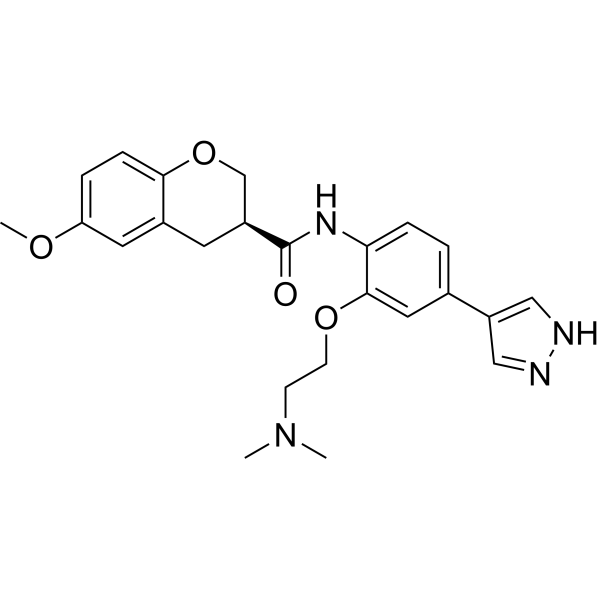
DMH-1 is a selective BMP inhibitor. DMH-1 upregulates the expression of SOX1. DMH-1 increases cardiomyocyte progenitor cells and promotes the differentiation of mouse embryonic stem cells into cardiomyocytes. DMH-1 induces the differentiation of hiPSC-derived neural progenitor cells into β3-tubulin-positive neurons.
-
Evans Blue
 0 Images
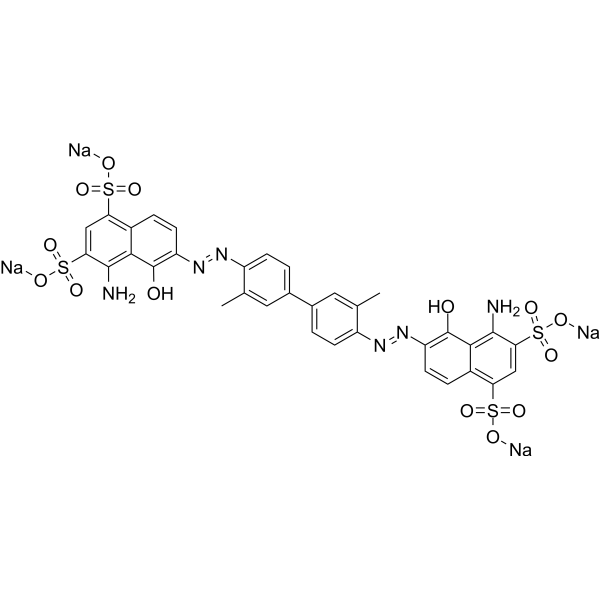
Evans Blue (Direct Blue 53; T-1824; C.I. 23860) is a potent inhibitor of L-glutamate uptake via the membrane bound excitatory amino acid transporter (EAAT). Evans Blue is a L-glutamate and kainate receptor-mediated currents inhibitor. Evans Blue has a strong affinity towards serum albumin, making it a high molecular weight protein tracer. Evans Blue is also used to study BBB (blood-brain barrier) permeability.
-
4-Hydroxynonenal
 0 ImagesSynonyms: 4-HNE
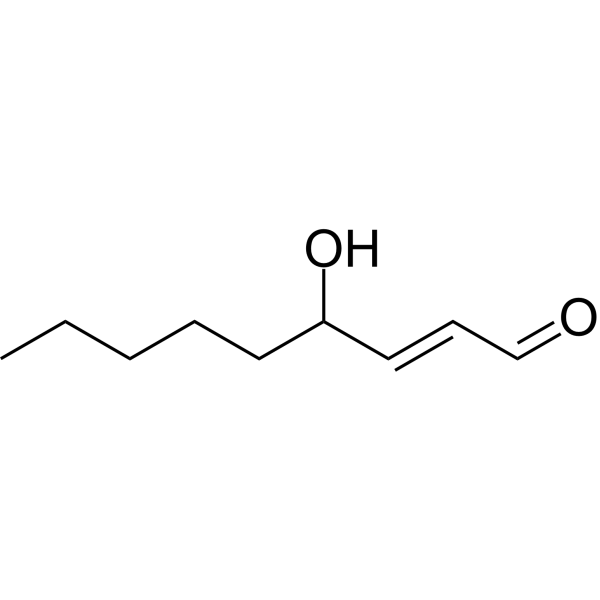
4-Hydroxynonenal (4-HNE) is an α,β unsaturated hydroxyalkenal and an oxidative/nitrosative stress biomarker. 4-Hydroxynonenal is a substrate and an inhibitor of acetaldehyde dehydrogenase 2 (ALDH2). 4-Hydroxynonenal can modulate a number of signaling processes mainly through forming covalent adducts with nucleophilic functional groups in proteins, nucleic acids, and membrane lipids. 4-Hydroxynonenal plays an important role in cancer through mitochondria.
-
D-Mannitol
 0 Images
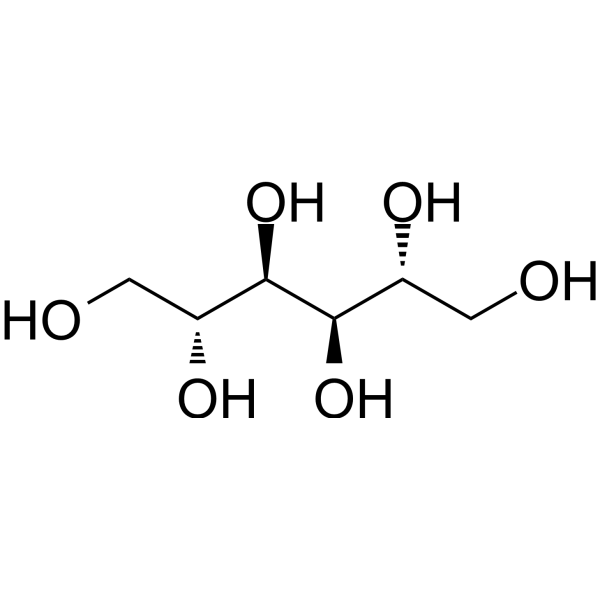
D-Mannitol (Mannitol) is an oral, resistant sugar widely used in the food and pharmaceutical industries to promote the absorption and retention of calcium and magnesium through cecal fermentation, while acting as a osmotic diuretic to reduce tissue edema. D-Mannitol can enhance brown fat formation, improve insulin effect, reduce blood sugar levels, And through the start the β3-adrenergic receptor (β3-AR), PGC1α and PKA induced by means of white fat cells into brown fat cells. D-Mannitol is commonly used to maintain osmotic pressure between the plant cytoplasm and the culture medium and protect cells when the cell wall is weakened or even removed.
-
Olive oil
 0 Images
Olive oil (Cropure OL) is an oleaginous compound found in the fruit of the Olea europaea tree. Olive oil contains many phenolic components and exerts antioxidant activity. Olive oil exhibits hydroxyl radical scavenging, platelet aggregation inhibition and xanthine oxidase inhibitory activity. Olive oil can promote wound healing and relieve inflammation. Olive oil can be used for the research of inflammation, cancer, metabolic and cardiovascular disease, such as diabetic foot ulcers and inflammatory bowel disease.
-
GYY4137
 0 Images
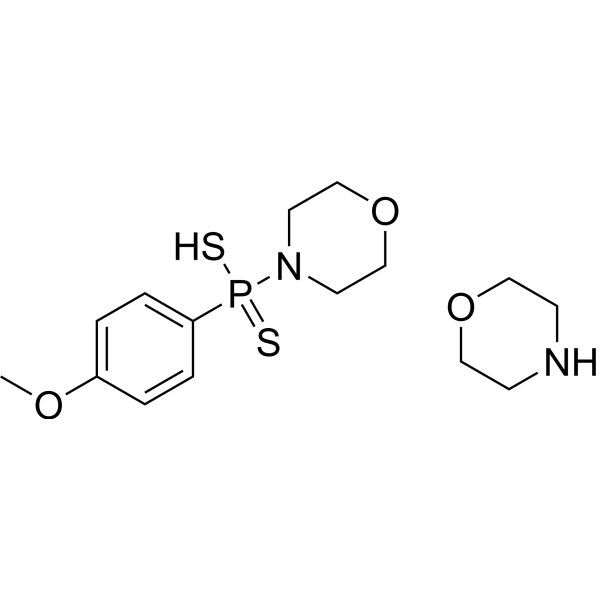
GY4137 is a sustained-release H2S donor possessing vasodilatory, antihypertensive, and anti-inflammatory activities. GY4137 can inhibit cell growth, induce apoptosis, and cause cell cycle arrest by blocking the STAT3 pathway, demonstrating potent anticancer activity.




